
Behind the Numbers: What Professional Photography Actually Does to Your Conversion Rates
We hear it regularly from clients considering a shoot: “We know good photography matters, but how much will it actually move the needle?”
It’s a fair question, and the honest answer is: more than most people expect. There’s now a substantial body of data behind what great commercial imagery does to sales performance — and the numbers are hard to ignore.


The Conversion Rate Impact
The headline figure that gets cited most often is a 33% higher conversion rate for products presented with professional photography compared to those with low-quality images. That’s a Shopify-sourced finding, and it’s been backed up by similar research across the industry.
To put that in plain terms: if your product page is currently converting at 2%, professional photography could realistically take that to 2.66%. Across a high-traffic product range, that’s a meaningful shift in revenue without changing a single thing about the product itself, the price, or your marketing spend.
Amazon’s own internal data points in the same direction, reporting that products with high-quality images convert around 9% better than equivalent listings with weaker photography. For a marketplace where marginal gains are fiercely competed over, that’s a significant edge.
BigCommerce research adds another layer, finding that high-quality images improved revenue per visitor by 4% — while low-quality images had the reverse effect, reducing it by 1%. The gap between investing in your imagery and neglecting it is therefore wider than the conversion numbers alone suggest.


What Customers Are Actually Basing Their Decisions On
The reason these numbers stack up is straightforward when you think about the online shopping experience. Customers can’t pick up your product, feel the weight of it, check the texture, or hold it up to the light. Your photography is doing all of that work for them.
Research consistently shows that around 75% of online shoppers consider product images to be one of the most important factors in a purchase decision. That places photography ahead of written descriptions, reviews, and in many cases, price. Shoppers are making a visual judgement before they’re making a rational one.
What this means in practice is that poor photography doesn’t just result in fewer sales — it actively undermines trust. A blurry image, inconsistent lighting, or a poorly styled shot signals to the shopper that the brand doesn’t take its presentation seriously. And if it doesn’t take its presentation seriously, why would they trust the product?


The Returns Problem — and How Photography Solves It
Conversion rates are only half the picture. Returns are a cost that often gets overlooked in the photography investment conversation, and they’re where accurate, professional imagery earns its keep in a second way.
Ecommerce returns rates in fashion and home goods typically sit between 20% and 30%. Research suggests that around 22% of all online returns happen because the product looked different in person than it did in the listing. That’s not a fulfilment problem or a product quality problem — it’s a photography problem.
When photography accurately represents colour, texture, scale, and finish, customers arrive at a purchase with realistic expectations. They’re less likely to be disappointed, less likely to make product returns, and — importantly — more likely to come back. Research indicates that as many as 25% of shoppers won’t buy from a brand again after a single bad return experience. The cost of misleading imagery compounds well beyond the individual transaction.
This is why the brief we work to at Prodoto always considers not just how images will attract a sale, but how they’ll set the right expectations. Detail shots, accurate colour rendering, and contextual lifestyle images aren’t just stylistic choices — they’re commercial ones.


Consistency Matters as Much as Quality
One finding that often surprises clients is the impact of visual consistency across a product catalogue. Research by the Baymard Institute found that inconsistent lighting, backgrounds, and angles within a product range reduce perceived trustworthiness by 34%. Shoppers notice when products look like they’ve been photographed at different times, in different conditions, by different people — and it erodes confidence in the brand as a whole.
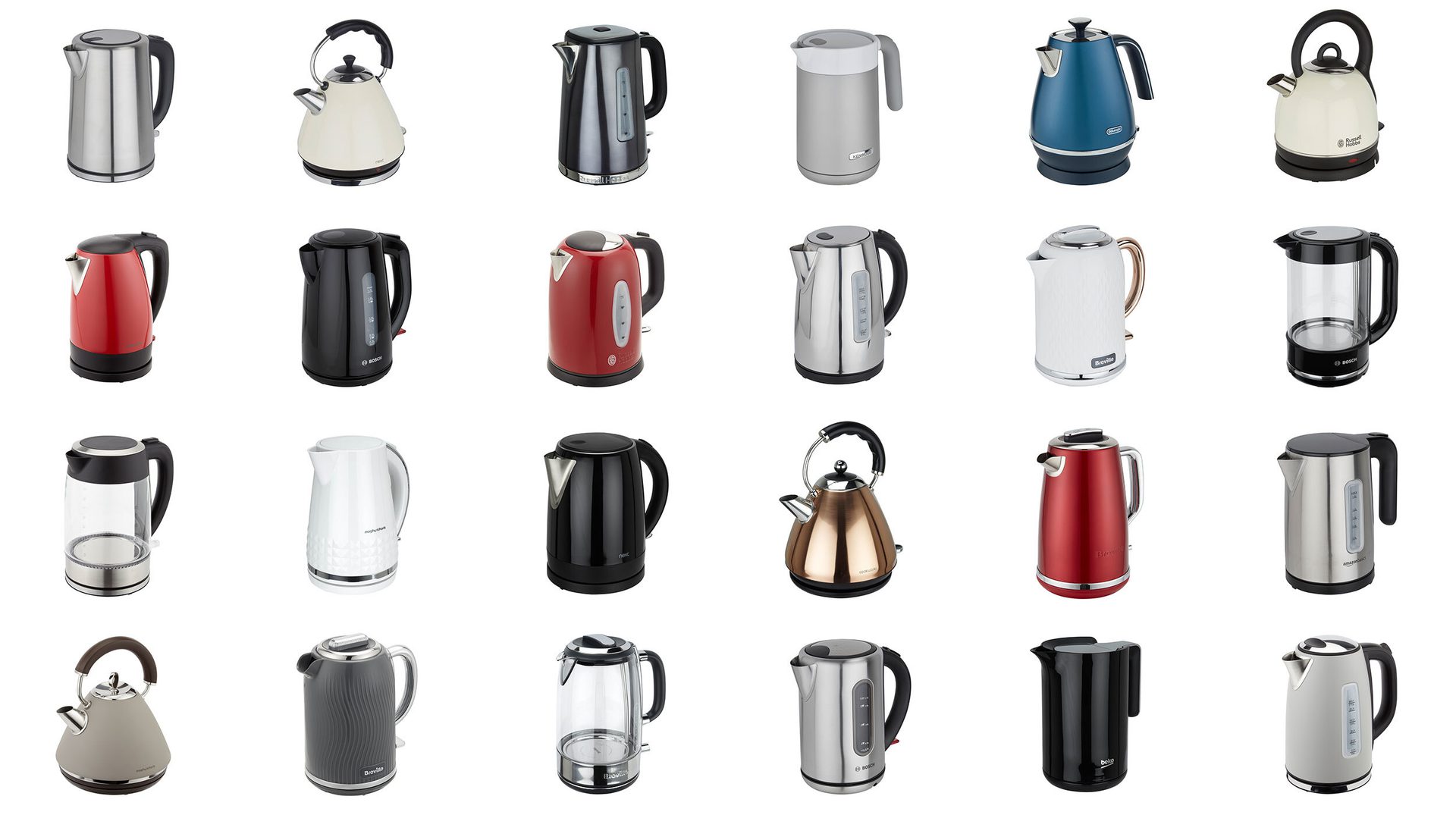
This is one of the less obvious advantages of working with a dedicated commercial studio. When we shoot a range, we’re applying the same lighting setup, the same retouching standards, and the same creative direction across every product. The result is a catalogue that looks considered and coherent — which builds the kind of brand credibility that individual shots, however good, can’t replicate on their own.


Beyond the Product Page
The conversion rate impact of professional photography doesn’t stop at the product listing. High-quality images engage visitors for longer — which reduces bounce rates, improves time on page, and sends positive signals to search engines. Better SEO performance means more organic traffic. More traffic, converting at a higher rate, from a lower bounce. The compounding effect is real.
Strong imagery also performs harder across every other channel — paid social, email, print, and PR. The same shoot that improves your product page can fuel months of content across Instagram, your newsletter, and campaign advertising. When you look at the cost of professional photography against the breadth of what it delivers, the return on investment becomes considerably more straightforward.



The Bottom Line
Professional photography isn’t a cosmetic upgrade. It’s a commercial lever — one that affects conversion rates, return rates, brand trust, and the performance of every channel that relies on visual content. The data makes a compelling case, but the real-world results we see with our clients make it even clearer.
The question isn’t really whether professional photography pays for itself. For most brands selling online, the question is how much it’s costing them not to invest in it.
Want to talk through what a shoot could deliver for your brand?
Get in touch with the Prodoto team and we’ll help you work out the right approach for your products and your goals.